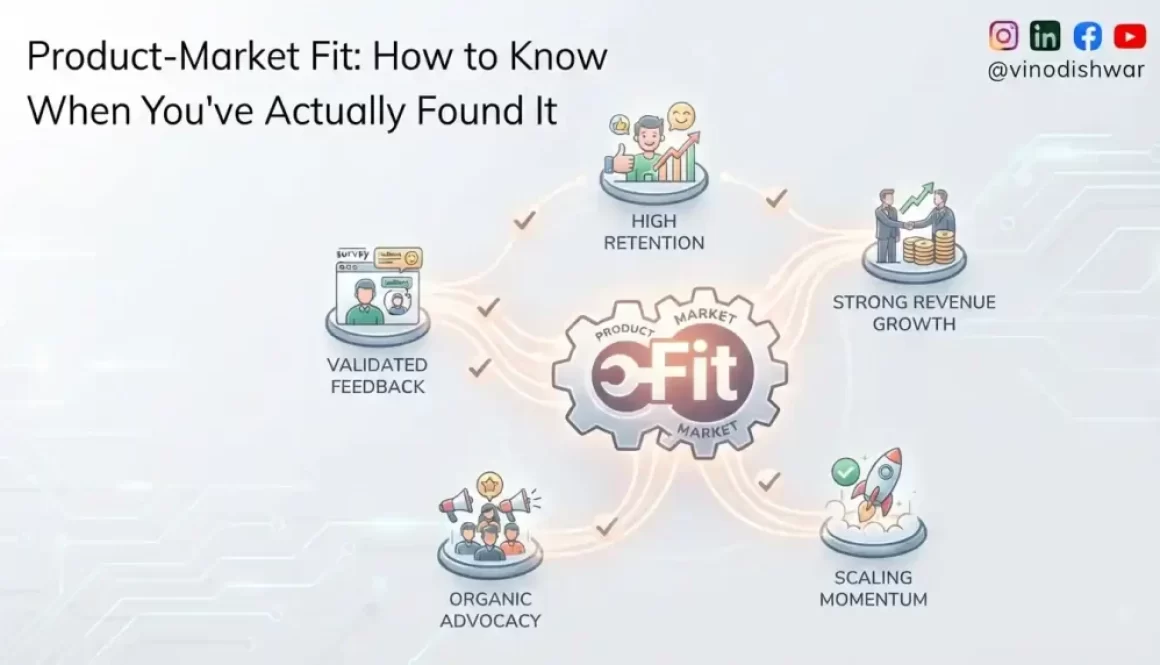
Product-Market Fit: How to Know When You’ve Actually Found It
A startup that has genuinely achieved product-market fit doesn’t rely solely on aggressive marketing or constant persuasion to attract customers. Instead, customers naturally engage with the product, return to use it repeatedly, recommend it to others, and create sustainable demand. Recognizing this stage accurately is essential because it determines when a business should continue refining its product and when it is ready to scale confidently.
What Is Product-Market Fit?
Product-market fit occurs when a product successfully solves a meaningful problem for a clearly defined target audience. It represents the point where customer needs align with your solution so effectively that the market begins pulling your product instead of your business constantly pushing it.
This doesn’t necessarily mean every customer will love your product, nor does it guarantee overnight success. Rather, it means you’ve developed something that addresses a genuine pain point, delivers consistent value, and creates a strong reason for customers to continue using or purchasing it.
Many successful companies—including Airbnb, Slack, Canva, and Zoom—spent years refining their offerings before reaching true product-market fit. Their eventual growth wasn’t driven by luck but by a deep understanding of customer needs and continuous product improvement.
Entrepreneurs can also explore startup resources and guidance through Startup India, an initiative supporting innovation and entrepreneurship in India.
Why Product-Market Fit Matters
Without product-market fit, scaling a business becomes significantly more difficult. Marketing budgets increase while customer retention remains weak, resulting in unsustainable growth. Businesses often spend heavily on customer acquisition only to lose those customers shortly after.
On the other hand, startups with strong product-market fit experience several advantages:
- Higher customer retention
- Increased referrals through word-of-mouth
- Lower customer acquisition costs
- More predictable revenue growth
- Greater investor confidence
- Stronger competitive positioning
Achieving product-market fit provides a stable foundation for long-term expansion. It allows founders to focus on scaling operations rather than constantly fixing core product issues.
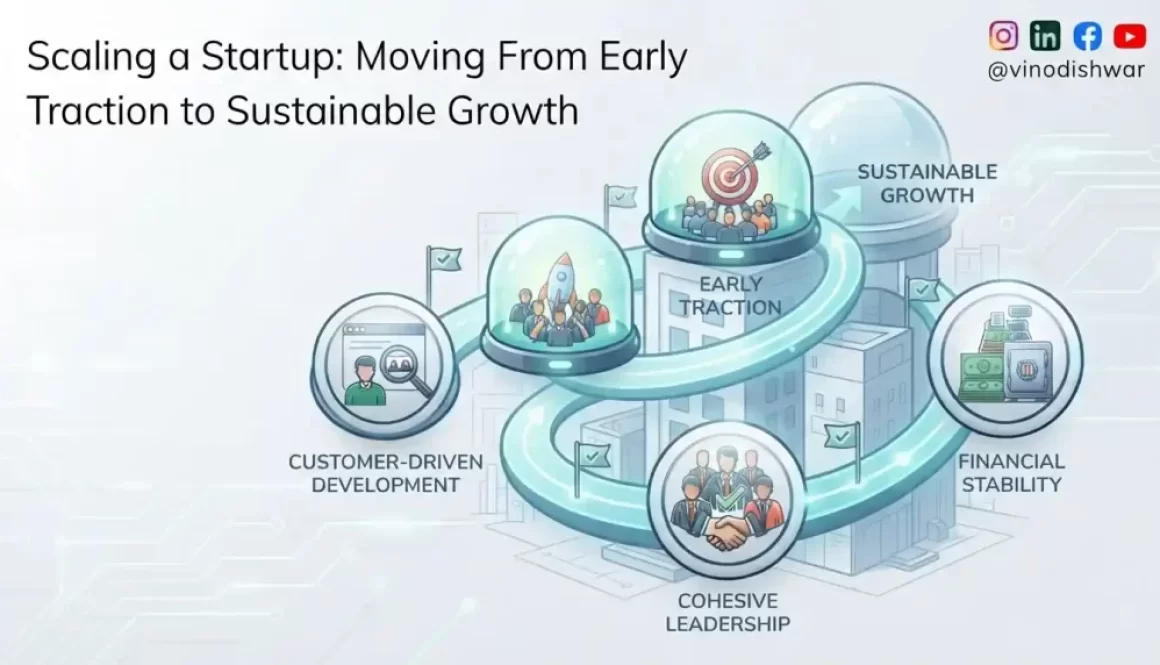
For startups planning sustainable growth, understanding how to successfully expand your business after validation is equally important.
Key Signs You’ve Achieved Product-Market Fit
1. Customers Keep Coming Back
One of the strongest indicators of product-market fit is customer retention. If users continue returning weeks or months after their initial interaction, it suggests your product has become valuable in their daily lives or business operations.
Retention demonstrates that customers are receiving ongoing value rather than simply satisfying temporary curiosity. Businesses should monitor retention rates carefully and identify whether customers remain active over time.
2. Referrals Begin Happening Naturally
Satisfied customers become your most effective marketing channel. When people voluntarily recommend your product to colleagues, friends, or business partners, it reflects genuine trust and satisfaction.
Organic referrals reduce dependence on paid advertising while improving customer acquisition efficiency. Products that consistently generate word-of-mouth recommendations often possess strong product-market fit.
3. Customers Would Miss Your Product
An effective way to evaluate product-market fit is by asking customers how they would feel if your product no longer existed.
If a significant percentage respond that they would be “very disappointed,” it suggests your solution has become important rather than optional. Customers who depend on your product typically exhibit stronger loyalty and higher lifetime value.
4. Demand Starts Exceeding Capacity
Many startups initially struggle to generate interest. However, once product-market fit develops, demand often begins exceeding the company’s ability to serve every customer immediately.
Examples include:
- Growing waiting lists
- Increased inbound inquiries
- Rising website traffic
- Higher conversion rates
- Frequent product recommendations
These indicators demonstrate that market demand is developing organically rather than being artificially created through marketing alone.
5. Customer Acquisition Becomes More Predictable
In the early stages, acquiring customers often involves constant experimentation with different channels and messaging.
After achieving product-market fit, customer acquisition usually becomes more consistent. Marketing campaigns generate better results, conversion rates improve, and businesses develop a clearer understanding of which customer segments respond best.
This predictability enables founders to invest in growth with greater confidence.
6. Customers Use Your Product Regularly
Usage frequency often reveals whether a product has become essential.
Customers who consistently engage with key features demonstrate that the product solves an ongoing problem rather than providing occasional convenience. High engagement levels often correlate with stronger customer loyalty and improved retention.
Businesses should monitor feature adoption, session frequency, repeat purchases, and overall engagement to evaluate the depth of customer usage.
Common Misconceptions About Product-Market Fit
Early Positive Feedback Isn’t Enough
Receiving praise from friends, family members, or early adopters can be encouraging, but it doesn’t necessarily indicate widespread market demand.
Early users are often more forgiving and willing to overlook shortcomings. True product-market fit requires validation from a broader audience that represents your actual target market.
Revenue Doesn’t Always Mean Product-Market Fit
Generating sales is important, but revenue alone doesn’t prove that customers genuinely value your product.
If revenue depends on heavy discounts, constant sales efforts, or expensive advertising, the business may still lack sustainable market demand. Long-term retention and customer satisfaction remain more reliable indicators.
Product-Market Fit Isn’t Permanent
Markets evolve continuously. Customer expectations change, new competitors emerge, and technological advancements reshape industries.
Businesses that stop listening to customers after achieving product-market fit risk losing relevance over time. Maintaining product-market fit requires continuous innovation and adaptation.
Practical Ways to Improve Product-Market Fit
If your startup hasn’t yet achieved product-market fit, avoid rushing into aggressive expansion. Instead, focus on strengthening your foundation.
Some practical strategies include:
- Conduct regular customer interviews and understand your audience before investing heavily in expansion. Businesses should also focus on building scalable business systems before moving into rapid growth.
- Analyze user behavior and product usage.
- Improve your onboarding experience.
- Simplify your core value proposition.
- Remove unnecessary features.
- Test pricing strategies.
- Refine your target audience.
- Prioritize solving one major problem exceptionally well.
Incremental improvements based on customer feedback often produce stronger long-term results than major product overhauls.
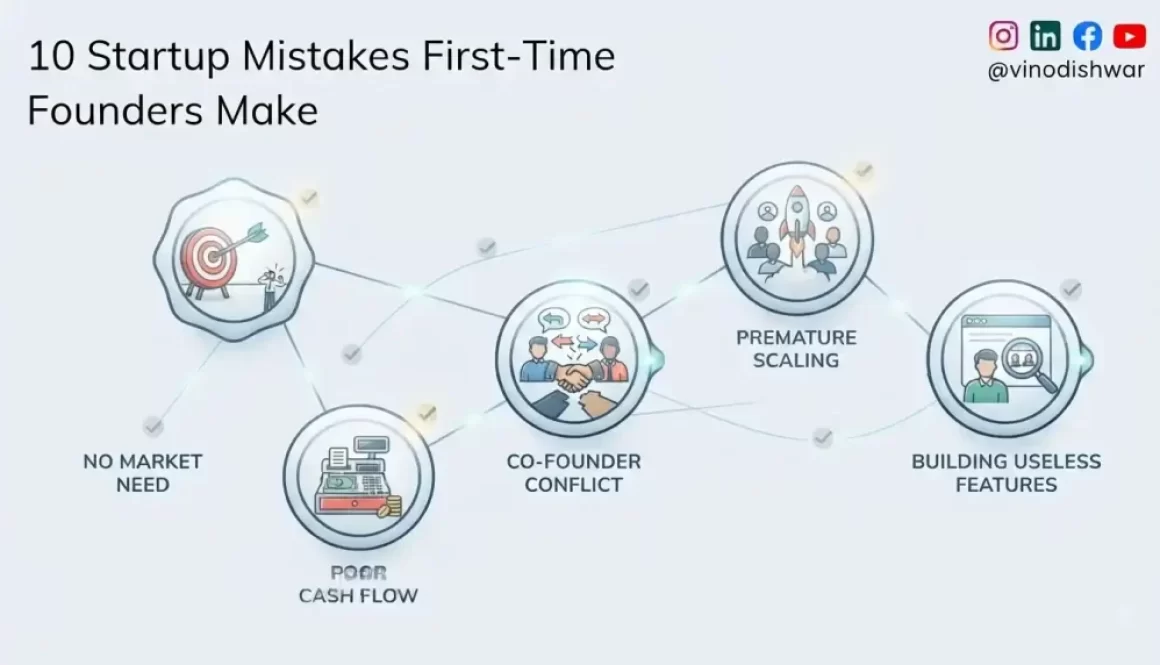
Mistakes Founders Should Avoid
Many startups delay success because they scale before validating their product.
Some of the most common mistakes include:
- Assuming initial sales confirm product-market fit.
- Measuring vanity metrics instead of customer retention.
- Ignoring customer complaints.
- Expanding into multiple markets too quickly.
- Building unnecessary features instead of improving existing ones.
- Spending heavily on marketing before validating demand.
Avoiding these mistakes saves both time and capital while improving long-term business sustainability.
Expert Advice for Startup Founders
Successful founders treat product-market fit as an ongoing process rather than a destination. They remain curious about customer needs, actively seek feedback, and continuously refine their offerings.
Instead of asking, “How can we sell more?” ask, “How can we create more value?”
Businesses that consistently prioritize customer success naturally develop stronger products, healthier customer relationships, and more sustainable growth.
Founders should also establish clear performance metrics that measure retention, engagement, referral rates, and customer satisfaction. These indicators provide a far more accurate picture of product-market fit than short-term sales numbers alone.
Key Takeaways
- Product-market fit occurs when your product consistently solves a meaningful problem for a clearly defined audience.
- Customer retention is one of the strongest indicators of genuine product-market fit.
- Organic referrals and repeat usage demonstrate lasting customer value.
- Revenue alone doesn’t guarantee product-market fit if retention remains weak.
- Businesses should avoid scaling aggressively until strong product-market fit signals are consistently visible.
- Continuous customer feedback and product improvement are essential for maintaining long-term market relevance.
Conclusion
Achieving product-market fit is one of the most significant milestones in a startup’s journey. It signals that your product is no longer relying solely on marketing efforts to gain traction but is creating genuine value that customers recognize and recommend. While reaching this stage requires patience, experimentation, and continuous learning, the rewards are substantial. Strong customer retention, organic referrals, predictable growth, and increasing demand all indicate that your business is building a solid foundation for sustainable expansion.
Rather than chasing rapid growth too early, founders should focus on deeply understanding their customers, solving real problems, and refining their products based on meaningful feedback. Once genuine product-market fit is achieved, scaling becomes not only easier but significantly more sustainable. The businesses that succeed over the long term are those that never stop listening to their customers and continuously evolve alongside changing market needs.
Startups looking for structured guidance can benefit from professional Startup Consulting support to refine their business model, growth strategy, and market positioning.