Franchise Legal Documentation Explained: A Complete Guide to Essential Franchise Documents (2026)
Legal documentation is the backbone of every successful franchise system. While a strong business model and recognizable brand attract franchise investors, properly drafted legal documents protect both the franchisor and franchisee, define expectations, and create a framework for sustainable business growth.
Many businesses mistakenly believe that franchising only requires a Franchise Agreement. In reality, a successful franchise system relies on a comprehensive collection of legal, operational, and compliance documents that work together to protect intellectual property, standardize operations, manage risks, and maintain brand consistency.
Whether you’re franchising a restaurant, café, retail store, salon, preschool, healthcare clinic, fitness center, manufacturing business, or service company, investing in well-structured legal documentation is one of the most important steps before offering franchise opportunities.
This guide explains the essential franchise legal documents, their purpose, how they work together, and best practices for building a legally sound franchise system.
Important: Franchise laws differ between countries and jurisdictions. Always consult a qualified franchise lawyer before preparing or issuing franchise legal documents.
What is Franchise Legal Documentation?
Franchise legal documentation refers to the collection of contracts, policies, manuals, disclosures, licenses, and compliance documents that govern the relationship between a franchisor and franchisee.
These documents define:
- Rights and obligations
- Brand usage
- Operational standards
- Financial responsibilities
- Intellectual property protection
- Territory rights
- Training obligations
- Compliance requirements
- Dispute resolution procedures
Together, they establish the legal and operational framework for the franchise network.
Why Legal Documentation Matters
Comprehensive legal documentation helps businesses:
- Protect intellectual property
- Reduce legal disputes
- Standardize franchise operations
- Improve franchisee accountability
- Build investor confidence
- Support regulatory compliance
- Protect confidential business information
- Enable scalable franchise expansion
Without proper documentation, franchise systems are more vulnerable to misunderstandings, inconsistent operations, and legal risks.
Essential Franchise Legal Documents
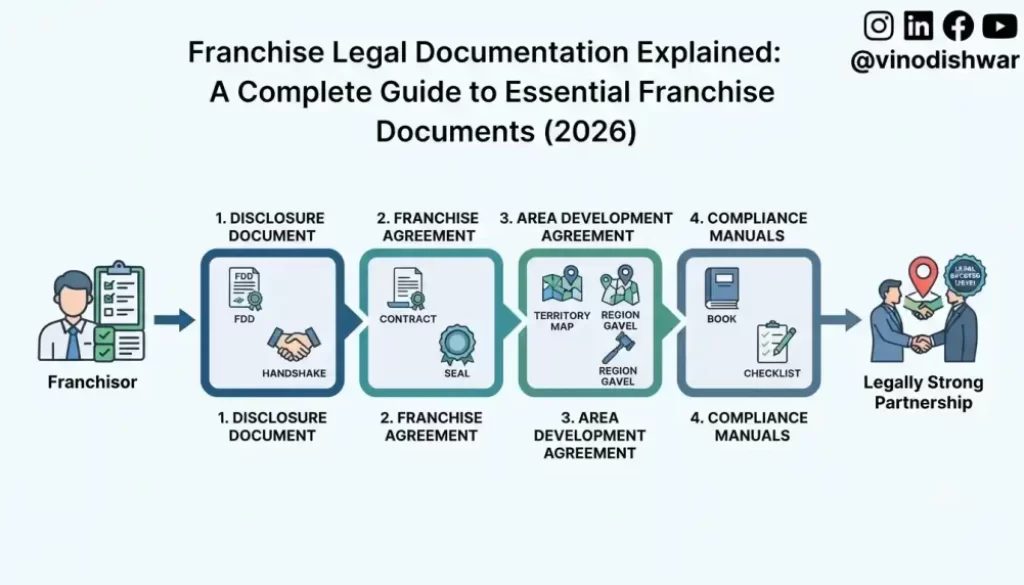
1. Franchise Agreement
The Franchise Agreement is the primary contract between the franchisor and franchisee.
It typically covers:
- Franchise rights
- Initial franchise fee
- Royalty payments
- Marketing contributions
- Territory rights
- Operational standards
- Intellectual property licensing
- Training and support
- Renewal and termination
- Dispute resolution
This document governs the entire franchise relationship.
2. Franchise Disclosure Document (Where Required)
In jurisdictions with franchise disclosure laws, prospective franchisees may need to receive a Franchise Disclosure Document (FDD) or equivalent disclosure before signing agreements or making certain payments.
It generally includes:
- Company background
- Investment estimates
- Financial obligations
- Litigation disclosures (where applicable)
- Franchisee responsibilities
- Franchisor support
- Proposed franchise agreement
Disclosure requirements vary by jurisdiction.
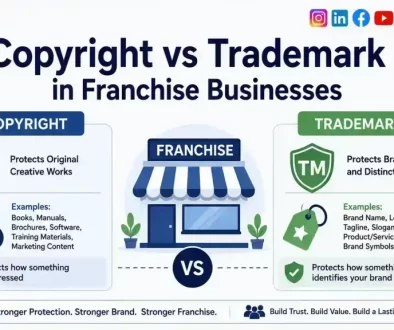
3. Trademark Documentation
Trademark protection includes:
- Trademark registrations
- Trademark applications
- Brand ownership records
- Licensing permissions
- Brand usage policies
These documents protect the franchise brand.
4. Operations Manual
Although primarily operational, the Operations Manual supports legal compliance by documenting standardized business procedures.
Typical sections include:
- Daily operations
- Customer service standards
- Product preparation
- Store management
- Employee management
- Technology usage
- Compliance procedures
5. Standard Operating Procedures (SOPs)
SOPs document step-by-step operational processes such as:
- Opening procedures
- Closing procedures
- Inventory management
- Cash handling
- Customer service
- Equipment maintenance
- Hygiene procedures
SOPs help maintain operational consistency.
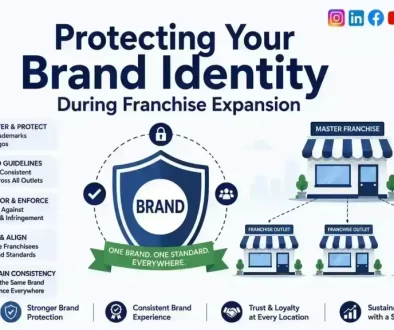
6. Brand Guidelines
Brand Guidelines establish rules for:
- Logo usage
- Brand colors
- Typography
- Store design
- Marketing materials
- Digital branding
- Social media communication
These guidelines help maintain a consistent customer experience.
7. Intellectual Property Licensing
The franchise system should document how franchisees may use:
- Trademarks
- Copyrighted materials
- Operations Manuals
- Marketing assets
- Software
- Business systems
The franchisor retains ownership while granting limited usage rights.
8. Confidentiality Agreements
Confidentiality provisions help protect:
- Recipes
- Trade secrets
- Customer databases
- Business systems
- Marketing strategies
- Supplier information
These obligations often continue after the franchise relationship ends.
9. Territory Documentation
Territory-related documents should define:
- Exclusive territories
- Protected territories
- Non-exclusive territories
- Expansion rights
- Geographic boundaries
- Online sales policies
Clear documentation reduces territorial conflicts.
10. Compliance Policies
Compliance documentation may cover:
- Brand standards
- Legal requirements
- Data privacy
- Consumer protection
- Employment policies
- Health and safety
- Operational audits
These policies help franchisees operate responsibly.
11. Audit Procedures
Document audit processes including:
- Operational inspections
- Financial reviews
- Brand compliance checks
- Quality assessments
- Corrective action plans
Regular audits support continuous improvement.
12. Training Documentation
Training materials should include:
- Training schedules
- Learning modules
- Certification requirements
- Refresher training
- Performance assessments
Training supports operational consistency.
Step-by-Step Process for Developing Franchise Legal Documentation
Step 1: Protect Intellectual Property
Register trademarks and identify proprietary business assets before offering franchises.
Step 2: Define the Franchise Model
Determine:
- Franchise format
- Territory structure
- Revenue model
- Operational responsibilities
Step 3: Develop Operational Documentation
Create:
- Operations Manual
- SOPs
- Brand Guidelines
- Training materials
Step 4: Prepare Legal Agreements
Work with qualified franchise legal professionals to prepare agreements tailored to your business model and applicable laws.
Step 5: Establish Compliance Systems
Document:
- Audit procedures
- Reporting requirements
- Quality standards
- Governance policies
Step 6: Train Franchisees
Educate franchisees on:
- Legal obligations
- Operational standards
- Brand usage
- Compliance requirements
Step 7: Monitor Performance
Conduct regular audits and compliance reviews to ensure documentation is being followed.
Step 8: Update Documentation
Review legal and operational documents regularly to reflect:
- Regulatory changes
- Business improvements
- Technology updates
- Franchise system growth
Franchise Legal Documentation Checklist
Before launching your franchise program, ensure you have:
- Franchise Agreement
- Trademark registrations or applications
- Franchise Disclosure Document (if required)
- Operations Manual
- SOPs
- Brand Guidelines
- Intellectual property licensing provisions
- Confidentiality agreements
- Territory policies
- Compliance procedures
- Audit checklists
- Training documentation
Practical Example
A successful preschool brand prepared to franchise nationwide.
Before launching, the company:
- Registered trademarks
- Created a Franchise Agreement
- Developed an Operations Manual
- Documented over 250 SOPs
- Built comprehensive Brand Guidelines
- Established compliance policies
- Introduced regular operational audits
This structured documentation enabled the business to expand into multiple cities while maintaining consistent quality and protecting its intellectual property.
Franchise Legal Documentation Framework
Business Model
        │
        ▼
Trademark Protection
        │
        ▼
Franchise Agreement
        │
        ▼
Operations Manual
        │
        ▼
Standard Operating Procedures
        │
        ▼
Brand Guidelines
        │
        ▼
Compliance Policies
        │
        ▼
Training & Audits
        │
        ▼
Continuous Documentation Updates
        │
        ▼
Legally Protected Franchise Network
Common Legal Documentation Mistakes
Avoid these common mistakes:
- Using generic legal templates
- Franchising before protecting trademarks
- Missing confidentiality provisions
- Poorly documented SOPs
- Inconsistent Brand Guidelines
- Outdated Operations Manuals
- Weak compliance systems
- Failing to review documents as the business evolves
Proper documentation reduces legal and operational risks while supporting long-term franchise success.
How Franchise Development Consultants Help
Professional franchise development consultants assist businesses by:
- Assessing franchise readiness
- Structuring franchise business models
- Developing Operations Manuals
- Creating SOPs and Brand Guidelines
- Preparing documentation checklists
- Coordinating with qualified franchise lawyers
- Building governance and compliance systems
- Supporting scalable franchise expansion
Legal documents should always be drafted or reviewed by experienced franchise legal professionals.
Why Choose Franchise Alpha?
At Franchise Alpha, we help businesses create franchise-ready legal and operational systems through our proprietary SOLEMN® Framework, enabling structured, compliant, and scalable franchise expansion.
Strategy
Develop a legally structured franchise expansion roadmap.
Operations
Create Operations Manuals, SOPs, Brand Guidelines, and business documentation.
Legal
Coordinate with qualified legal professionals to prepare franchise agreements, disclosure documentation, intellectual property licensing, and compliance frameworks.
Entrust
Develop governance systems that improve accountability and reduce founder dependency.
Marketing
Standardize brand communication, visual identity, and marketing compliance across franchise locations.
Nitty-Gritty
Implement audit systems, compliance scorecards, reporting frameworks, and documentation management.
Frequently Asked Questions
What are franchise legal documents?
Franchise legal documents include the Franchise Agreement, disclosure documents (where required), trademark documentation, Operations Manual, SOPs, Brand Guidelines, intellectual property licensing provisions, confidentiality agreements, and compliance policies.
Why is legal documentation important before franchising?
It protects intellectual property, defines rights and responsibilities, reduces legal disputes, supports regulatory compliance, and helps maintain operational consistency across the franchise network.
Is a Franchise Disclosure Document required everywhere?
No. Disclosure requirements vary by country and jurisdiction. Businesses should consult a qualified franchise lawyer to determine the legal requirements applicable to their franchise system.
Who should prepare franchise legal documentation?
Franchise legal documentation should be drafted or reviewed by qualified lawyers experienced in franchise law, while operational documentation such as manuals and SOPs should be developed with franchise operations experts.
Conclusion
Comprehensive legal documentation is the foundation of a successful franchise system.
By combining well-drafted legal agreements with strong operational manuals, brand guidelines, intellectual property protection, and compliance systems, businesses can build franchise networks that are legally secure, operationally consistent, and ready for long-term growth.
Investing in robust franchise documentation today helps protect your business, your franchisees, and your brand as your network expands.
Call to Action
Ready to Build a Legally Strong Franchise System?
Book a Franchise Readiness Assessment with Vinod Ishwar and discover how to prepare your business with complete franchise legal documentation, operational systems, and compliance frameworks.
Your assessment includes:
- Franchise Legal Documentation Review
- Operations Manual Assessment
- SOP Evaluation
- Intellectual Property Readiness Review
- Customized Franchise Documentation Roadmap
Build a legally protected, scalable, and investor-ready franchise business.