Signs Your Business Can Become a Franchise: 15 Indicators You’re Ready to Scale (2026)
Introduction
Signs Your Business Can Become a Franchise are often visible long before you decide to expand. Many successful businesses reach a point where growth becomes the next logical step. Customers ask for new locations, revenue continues to grow, and the brand begins attracting attention from investors and entrepreneurs. This is often when business owners start asking an important question: “Can my business become a franchise?”
Many successful businesses reach a point where expansion becomes the next logical step. Customers ask for new locations, revenue continues to grow, and the brand begins attracting attention from investors and entrepreneurs. This is often when business owners start asking an important question:
“Can my business become a franchise?”
The answer depends on more than profitability. While financial performance is important, a franchise-ready business also needs repeatable systems, operational consistency, market demand, and the ability to be successfully managed by others.
Recognizing the right signs early allows you to prepare your business for sustainable expansion instead of rushing into franchising before the business is ready.
In this guide, we’ll explore the 15 key indicators that suggest your business has the potential to become a successful franchise.
What Makes a Business Suitable? Signs Your Business Can Become a Franchise
A franchise is built on replication. Your business should be capable of delivering the same customer experience, operational efficiency, and financial performance across multiple locations operated by different owners.
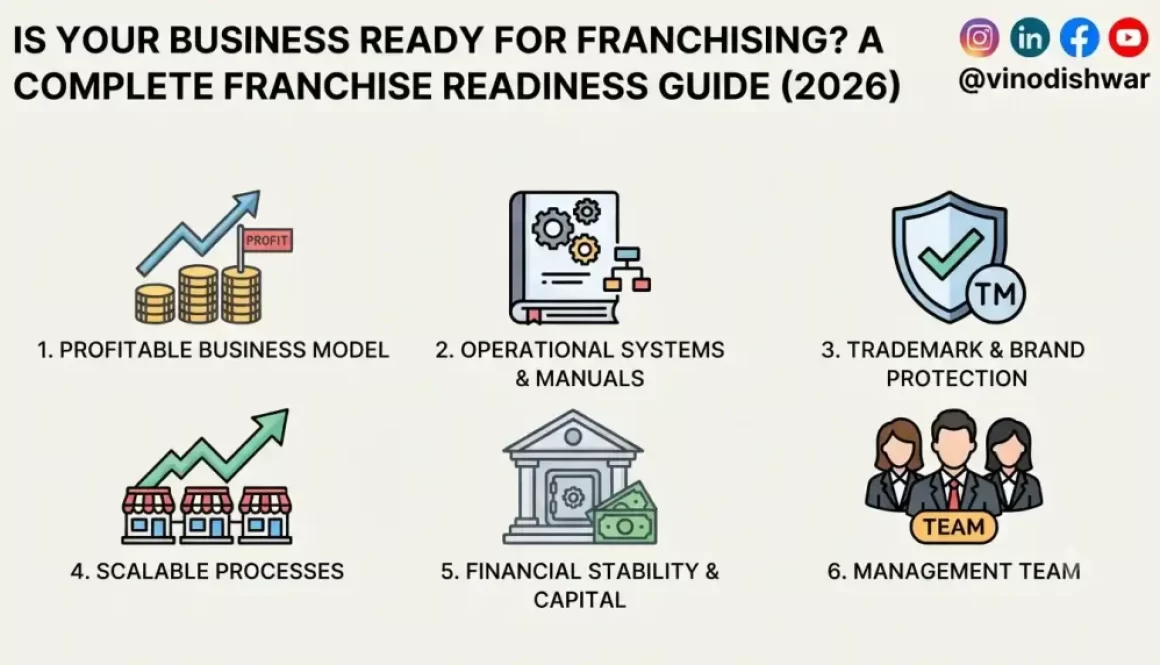
Successful franchise businesses generally have:
- A proven business model
- Consistent profitability
- Strong customer demand
- Standardized operations
- Clear brand positioning
- Reliable systems
- Scalable processes
- Effective leadership
If your business demonstrates these qualities, franchising may be a viable growth strategy. Learn the fundamentals in our guide What Is Franchise Consulting?
https://vinodishwar.com/what-is-franchise-consulting/
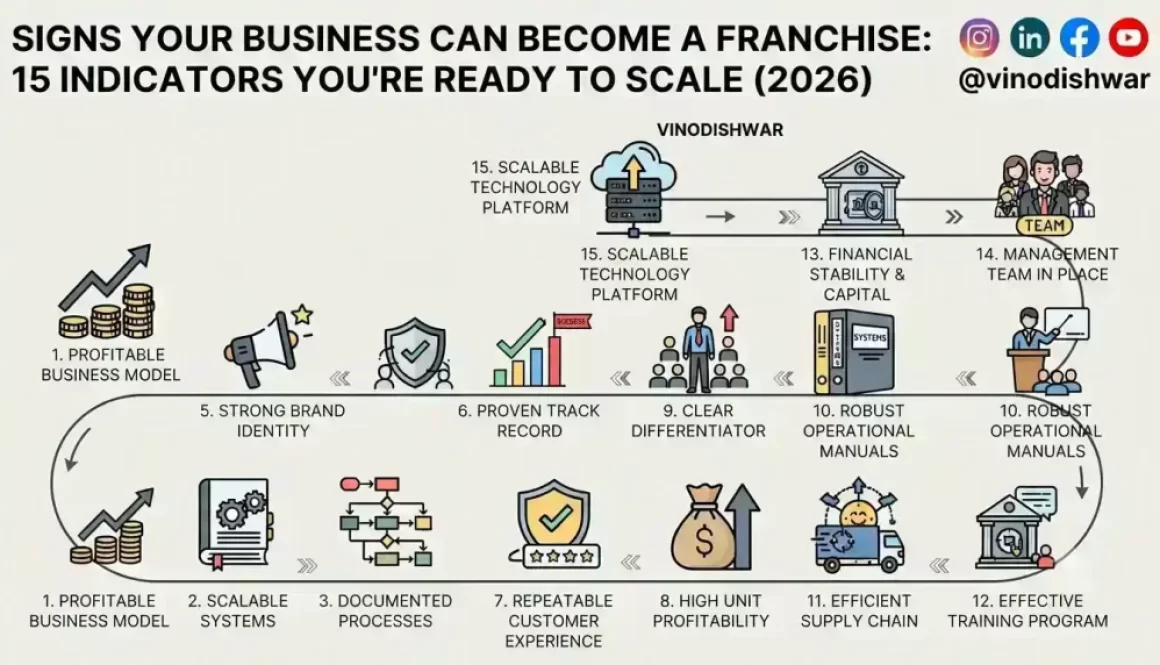
15 Signs Your Business Can Become a Franchise Successfully
1. Your Business Is Consistently Profitable
The strongest franchise brands begin with profitable company-owned operations.
Consistent financial performance demonstrates that the business model works and gives potential franchisees confidence in their investment.
2. Customers Frequently Request New Locations
One of the clearest indicators of franchise potential is customer demand outside your current market.
Examples include:
- Requests for branches in other cities
- Online enquiries from different regions
- Social media comments asking for expansion
- Increased brand awareness
Strong demand often signals expansion opportunities.
3. Your Operations Are Repeatable
If every customer receives the same experience regardless of who serves them, you’ve achieved operational consistency.
Repeatable systems make franchising significantly easier.
4. You Have Documented SOPs
Your business should have written procedures covering:
- Daily operations
- Customer service
- Sales
- Inventory
- Staff training
- Quality control
Documentation reduces dependency on individual employees and supports franchise consistency.
5. The Founder Is No Longer the Business
One of the biggest signs of franchise readiness is when the business performs well without the founder managing every task.
Delegation and systemization are critical for franchise success.
6. Your Brand Has Strong Recognition
Customers recognize your brand through:
- Positive reviews
- Repeat business
- Word-of-mouth referrals
- Active social media engagement
- Consistent visual identity
A recognizable brand is easier to franchise than an unknown business.
7. Your Business Has a Competitive Advantage
Potential franchisees invest in businesses that stand out.
Your advantage may include:
- Proprietary products
- Unique service model
- Strong customer experience
- Innovative technology
- Operational efficiency
Distinctive positioning creates long-term value.
8. You Have Reliable Unit Economics
Your business should have predictable financial performance.
Important metrics include:
- Revenue
- Gross margin
- Net profit
- Break-even period
- Return on investment (ROI)
Healthy unit economics support sustainable franchise growth.
9. Your Team Can Train Others
Successful franchisors don’t simply operate businesses—they teach others how to operate them.
A capable training system is essential.
Training should cover:
- Operations
- Products
- Customer service
- Technology
- Marketing
- Compliance
10. Technology Supports Daily Operations
Modern franchise businesses benefit from:
- POS systems
- CRM software
- Inventory management
- Performance dashboards
- Online reporting
Technology improves consistency and simplifies expansion.
11. Your Supply Chain Can Support Growth
Franchisees rely on dependable suppliers.
Ask yourself:
Can your vendors support multiple locations while maintaining quality?
If yes, expansion becomes much more practical.
12. Your Business Is Easy to Teach
A franchise should not require years of specialized expertise.
If new employees can become productive within a reasonable training period, your business may have franchise potential.
13. You Have Clear Growth Goals
Businesses with a defined expansion vision generally perform better than those pursuing franchising solely for additional revenue.
Long-term planning is essential.
14. Your Market Has Expansion Potential
Market research should indicate demand beyond your existing territory.
Consider:
- Population growth
- Customer demographics
- Competitive landscape
- Purchasing behavior
Expanding into the right markets improves franchise success.
15. You’re Ready to Become a Franchisor
The final sign is personal.
As a franchisor, your role shifts from managing one location to:
- Supporting franchisees
- Protecting brand standards
- Building systems
- Leading expansion
- Driving innovation
If you’re prepared for this transition, your business may be ready for franchising.
Common Misconceptions About Franchise Potential
Many entrepreneurs assume that:
- High sales automatically mean franchise readiness.
- A popular brand can franchise immediately.
- Multiple outlets are required before franchising.
- Documentation can wait until after expansion.
In reality, franchise success depends on preparation rather than size alone.
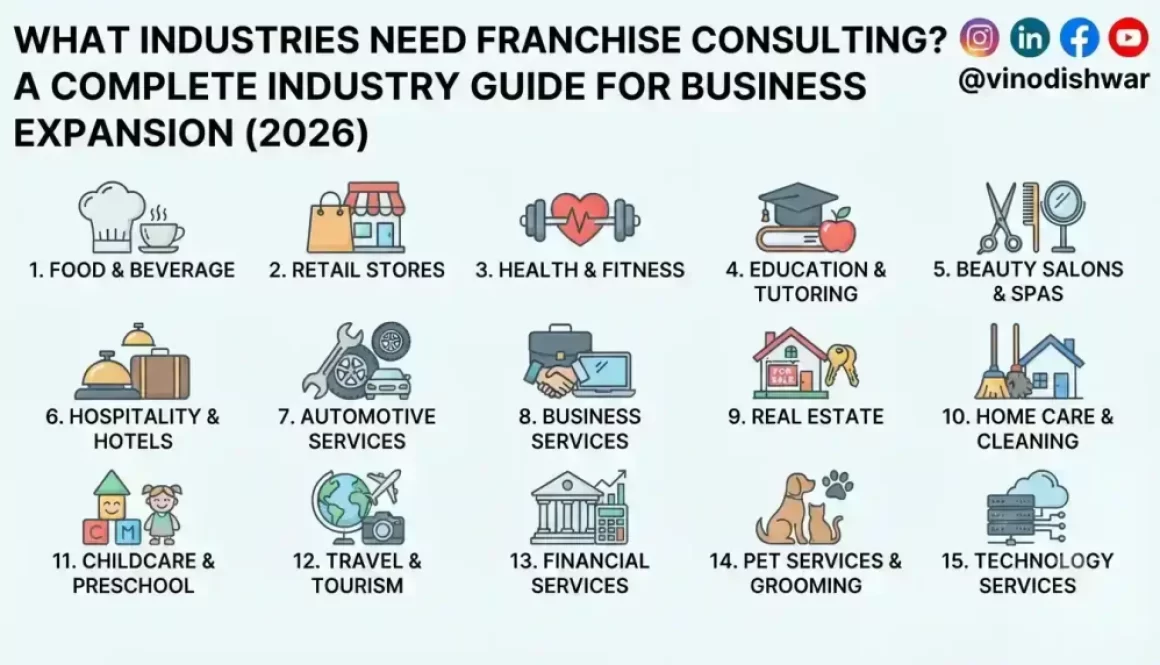
Industries That Commonly Show Franchise Potential
Businesses in many sectors successfully transition into franchise models, including:
- Restaurants
- Cafés
- Retail Stores
- Salons
- Healthcare Clinics
- Educational Institutions
- Fitness Centers
- Automotive Services
- Home Services
- Professional Services
The determining factor is not the industry—it’s the ability to replicate success consistently.
How a Franchise Readiness Assessment Confirms the Signs Your Business Can Become a Franchise
Even if your business demonstrates many of these signs, a professional assessment provides a deeper evaluation.
A Franchise Readiness Assessment examines:
- Profitability
- Operations
- Documentation
- Leadership
- Brand strength
- Financial model
- Technology
- Market opportunity
- Scalability
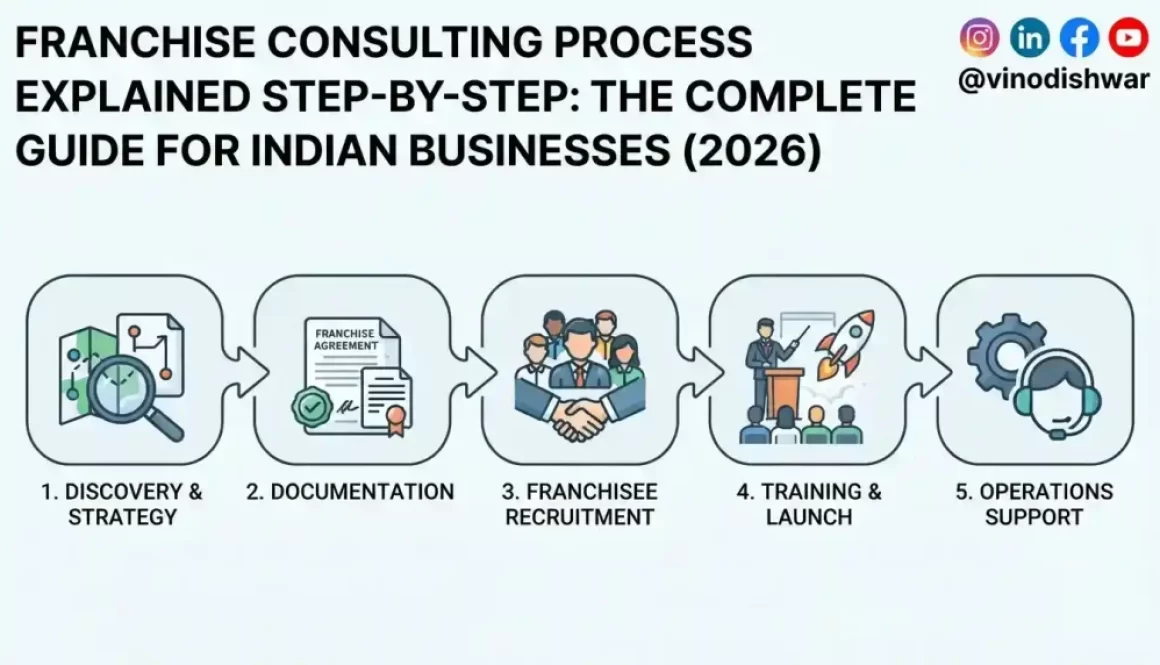
The outcome is a customized roadmap for franchise development. Explore the complete Franchise Consulting Process before starting your expansion journey.
https://vinodishwar.com/franchise-consulting-process/
The SOLEMN® Framework
At Franchise Alpha, franchise readiness is evaluated using the proprietary SOLEMN® Framework.
Strategy
Assess business goals, market demand, and expansion opportunities.
Operations
Review SOPs, manuals, quality systems, and operational consistency.
Legal
Evaluate documentation and compliance needs.
Entrust
Assess leadership capability, franchisee support, and training systems.
Marketing
Review brand positioning and franchise marketing readiness.
Nitty-Gritty
Identify operational improvements required before scaling.
This framework helps businesses transform from successful local brands into scalable franchise organizations. Visit Franchise Alpha to learn more about its structured franchise development methodology.
https://franchisealpha.com/
Frequently Asked Questions
What are the signs my business can become a franchise?
Common indicators include consistent profitability, standardized operations, documented systems, strong customer demand, brand recognition, and the ability to operate successfully without constant founder involvement.
Does my business need multiple locations before franchising?
No. Many successful franchise brands began with a single profitable location before expanding through a structured franchise model.
Can service businesses become franchises?
Yes. Service businesses with repeatable processes, training systems, and standardized operations can successfully franchise.
How do I confirm if my business is franchise ready?
A professional Franchise Readiness Assessment evaluates your operations, finances, scalability, leadership, and documentation to determine whether franchising is the right growth strategy.
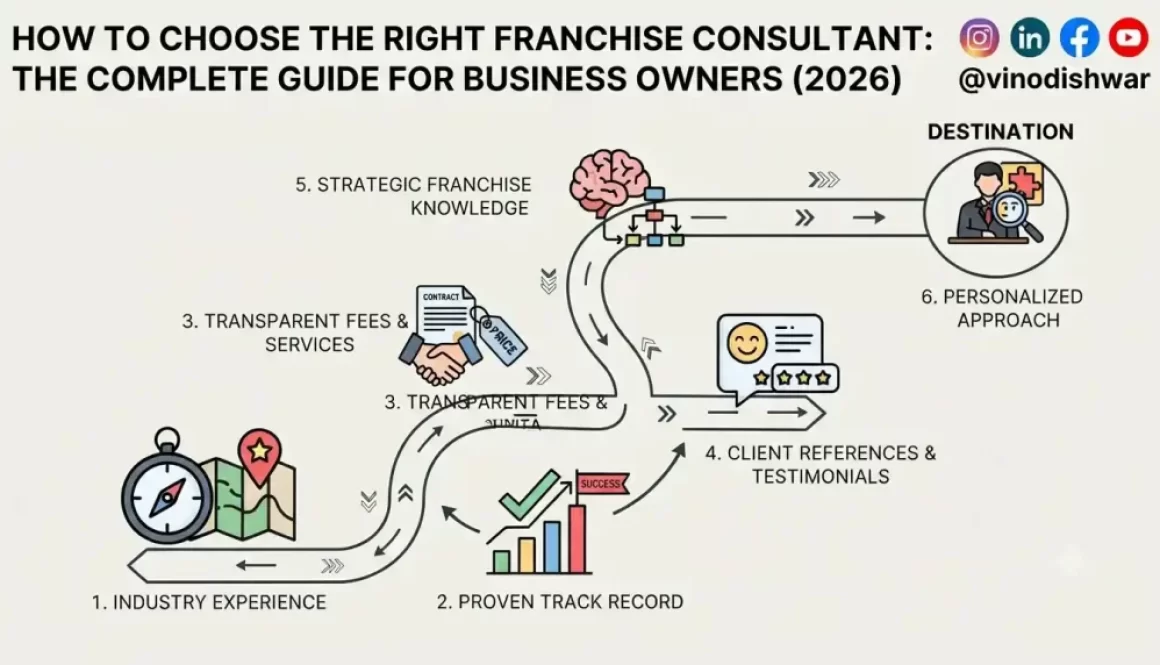
If you’re unsure when to seek expert guidance, read When Should You Hire a Franchise Consultant?
https://vinodishwar.com/when-should-you-hire-a-franchise-consultant/
Conclusion
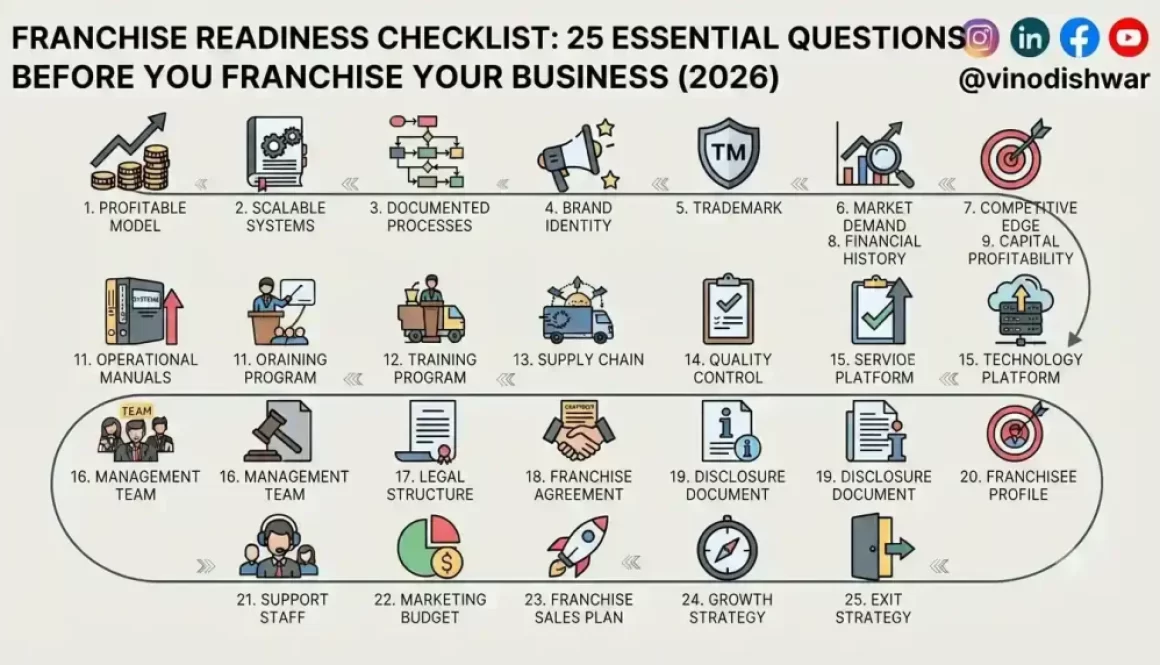
Recognizing the signs that your business can become a franchise is the first step toward structured expansion. You may also find our Franchise Readiness Checklist useful for evaluating your business before franchising.
https://vinodishwar.com/franchise-readiness-checklist/
If your business is profitable, operationally consistent, supported by documented systems, and capable of delivering the same customer experience across locations, you may already possess the foundation needed for successful franchising.
However, identifying these signs is only the beginning. Professional evaluation, strategic planning, and franchise development are essential to building a sustainable franchise network.
The businesses that invest in preparation before expansion are often the ones that achieve long-term franchise success.
Call to Action
Discover Whether Your Business Has Franchise Potential
Book a Franchise Readiness Assessment with Vinod Ishwar and receive a detailed evaluation of your business’s scalability, operational maturity, financial strength, and franchise potential.
Gain a personalized roadmap to help you confidently prepare for franchise expansion.